Urid Dal vs Other Lentils: What Makes It Special?
Lentils are a cornerstone of Indian cuisine, offering nutrition, affordability, and versatility. From toor and moong to masoor and chana, each lentil has its own benefits. But urad dal (black gram) stands out for several unique reasons. Let’s explore how urad dal compares to other popular lentils and what truly makes it special.
1. Nutritional Comparison
Like other lentils, urad dal is rich in protein and fiber. However, it offers some distinct advantages:
-
Higher Protein Content – Urad dal contains slightly more protein than many other lentils, making it ideal for vegetarians.
-
Rich in Iron & Calcium – Compared to moong or masoor dal, urad dal generally has higher iron and calcium levels, supporting bone strength and preventing anemia.
-
Good Fats – It contains small amounts of healthy fats, which are lower in most other lentils.
While lentils such as Toor dal and Moong dal are lighter and easier to digest, urad dal is more energy-dense and nourishing.
2. Texture and Cooking Properties
One of the biggest differences lies in texture:
-
Urad dal becomes creamy and slightly sticky when cooked.
-
Other lentils like Masoor dal cook faster and turn soft but not creamy.
-
Chana dal remains firmer even after cooking.
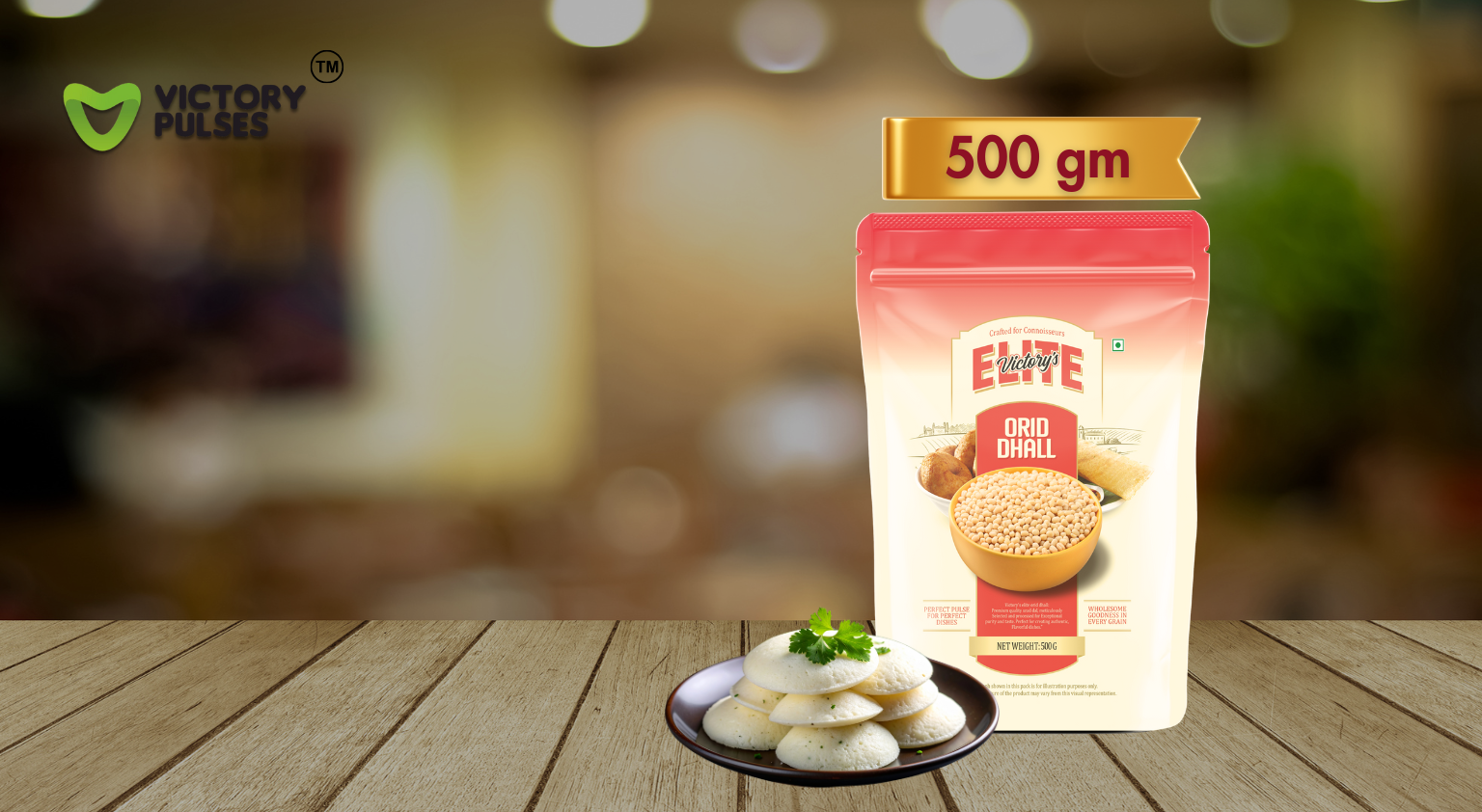
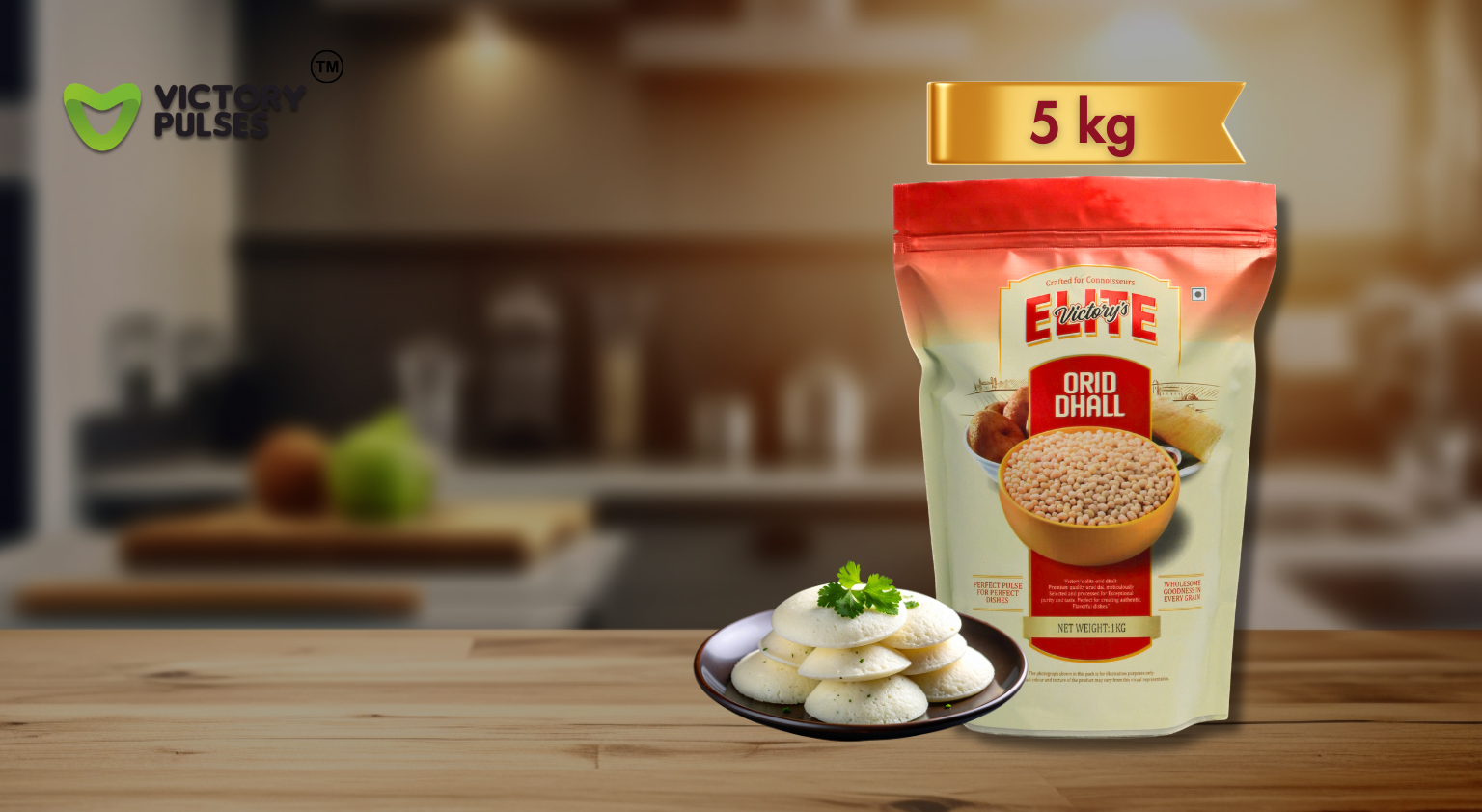
This creamy texture makes urad dal perfect for dishes like Dal Makhani and fermented batters used in Idli and Dosa.
3. Fermentation Power
Urad dal has a unique natural ability to aid fermentation. When ground and mixed with rice, it helps create fluffy idlis and crispy dosas. Most other lentils do not produce the same airy texture during fermentation. This property makes urad dal indispensable in South Indian cuisine.
4. Energy and Strength
Traditionally, urad dal is considered a strength-building food in Ayurveda. It is often recommended for:
-
Improving stamina
-
Supporting muscle growth
-
Post-illness recovery
Compared to lighter lentils like moong dal, urad dal is heavier and more sustaining.
5. Digestibility
While urad dal is highly nutritious, it can be heavier to digest compared to moong or masoor dal. However, soaking, fermenting, or cooking it with digestive spices like ginger and cumin can improve digestibility.
6. Culinary Versatility
Each lentil has its place:
-
Toor dal – Ideal for sambar and everyday dal
-
Moong dal – Light khichdi and soups
-
Masoor dal – Quick-cooking curries
-
Chana dal – Snacks and hearty gravies
-
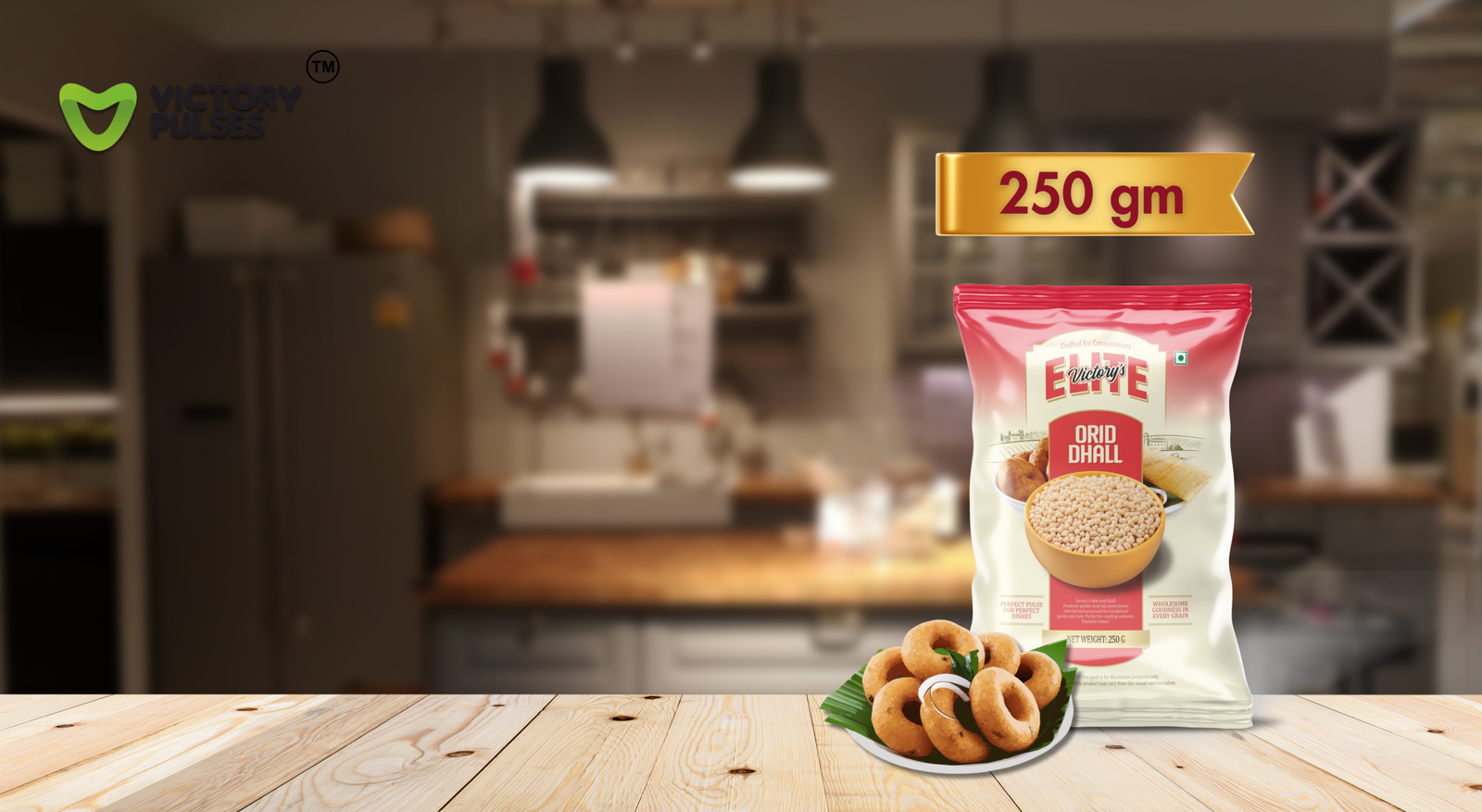
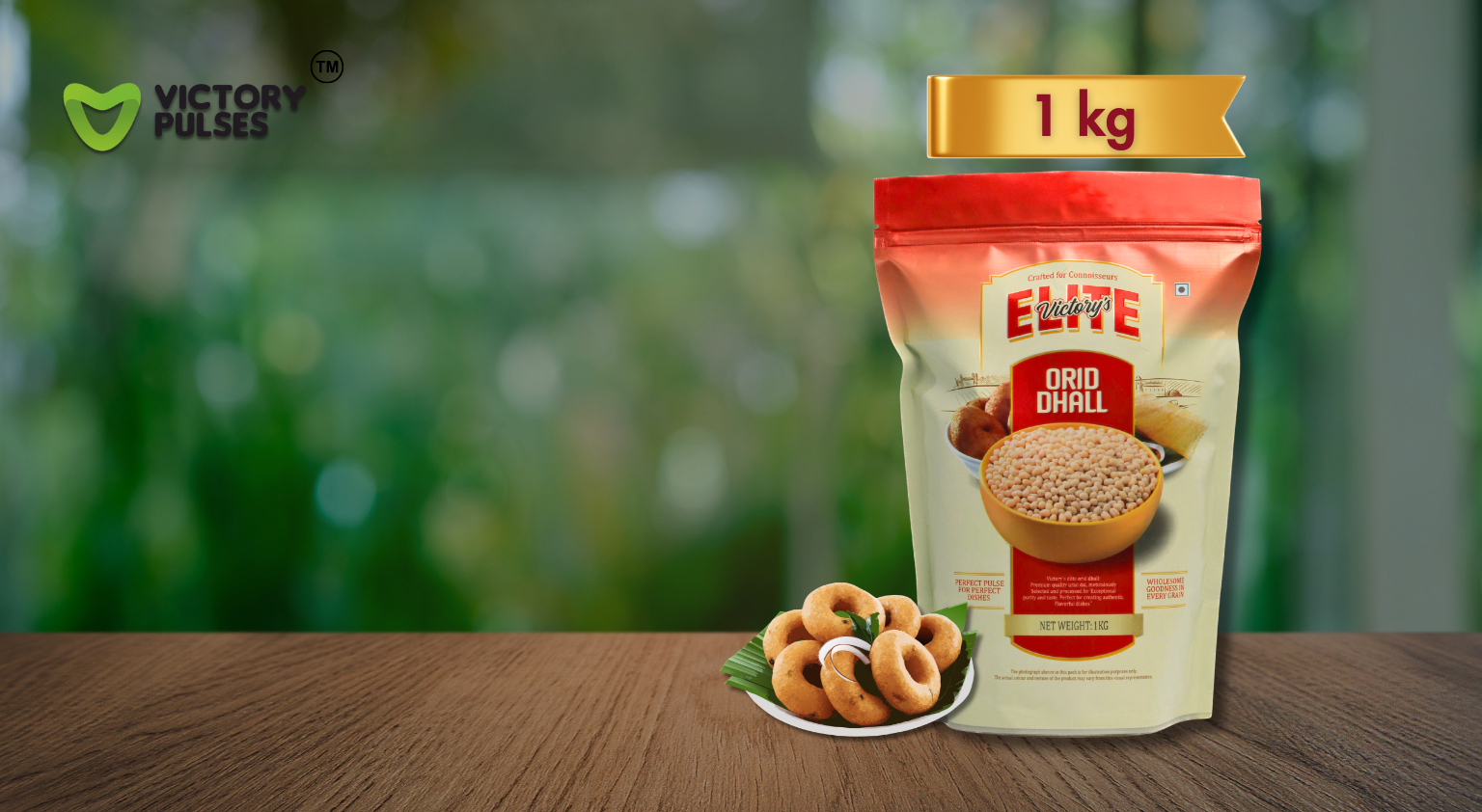
Urad dal – Creamy curries, fermented foods, papads, and vadas
Its ability to be used whole (black gram), split (white urad), or ground into flour adds to its versatility.